An exploration of atmosphere and the embodied memory of place.
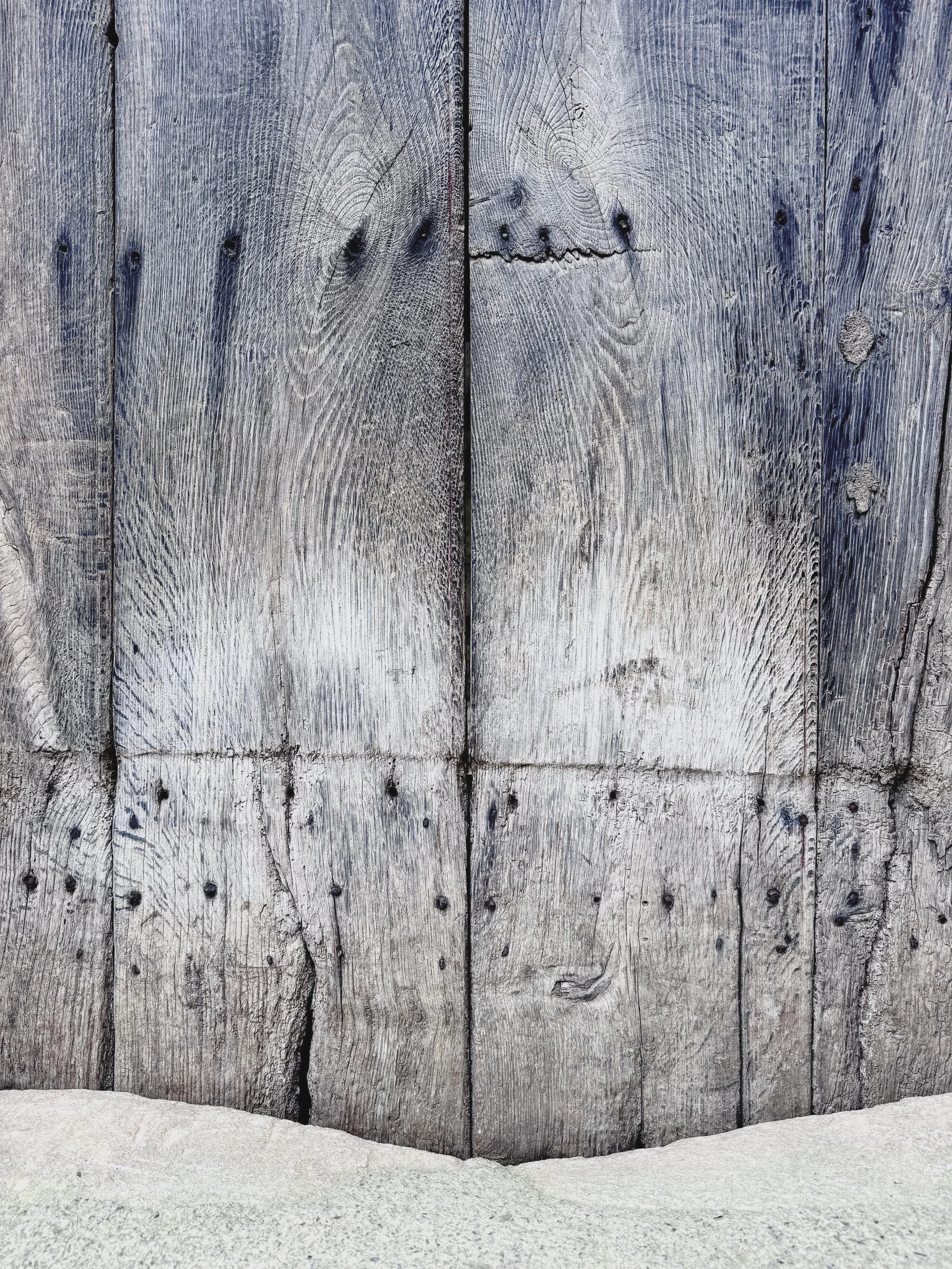
"I am convinced that a good building must be capable of absorbing the traces of human life and taking on a specific richness..."
Peter Zumthor, Thinking Architecture
Arv is a Norwegian word encompassing inheritance, legacy and heritage.
It refers to what is passed down from one generation to the next – both the tangible (property and possessions) and the intangible (traditions, values, cultural practices, memories and knowledge).
In buildings, it’s the emotional response felt when crossing a centuries-old threshold, witnessing morning light revealing the texture of hand-worked stone, noticing the gentle sag of an ancient oak beam or touching a surface worn smooth by countless generations of use.
It's the ineffable atmosphere created by the patina of human occupation and the sensory richness of traditional crafts and materials.
Arv also recognises that buildings can hold something essential: connection, resonance, a sense of belonging and the embodied and potential memories of place.